Outstanding surgical care

Many people experience problems with their bowels, either starting suddenly or gradually. These problems may feel difficult to talk about , and often people try to live with them. My mission is to create a place where people feel comfortable talking about these problems, are listened to and leave with a full understanding of their condition and options for treatment.
Many conditions can be managed without surgery, but when it is needed, I aim to individualise treatment options and using cutting-edge techniques learned in the UK, to provide the best outcomes for my patients, from the smallest to the most major operations.
Dr Sarah Nohelia Thoukididou BMBS BMedSci FRCS
Colorectal
-
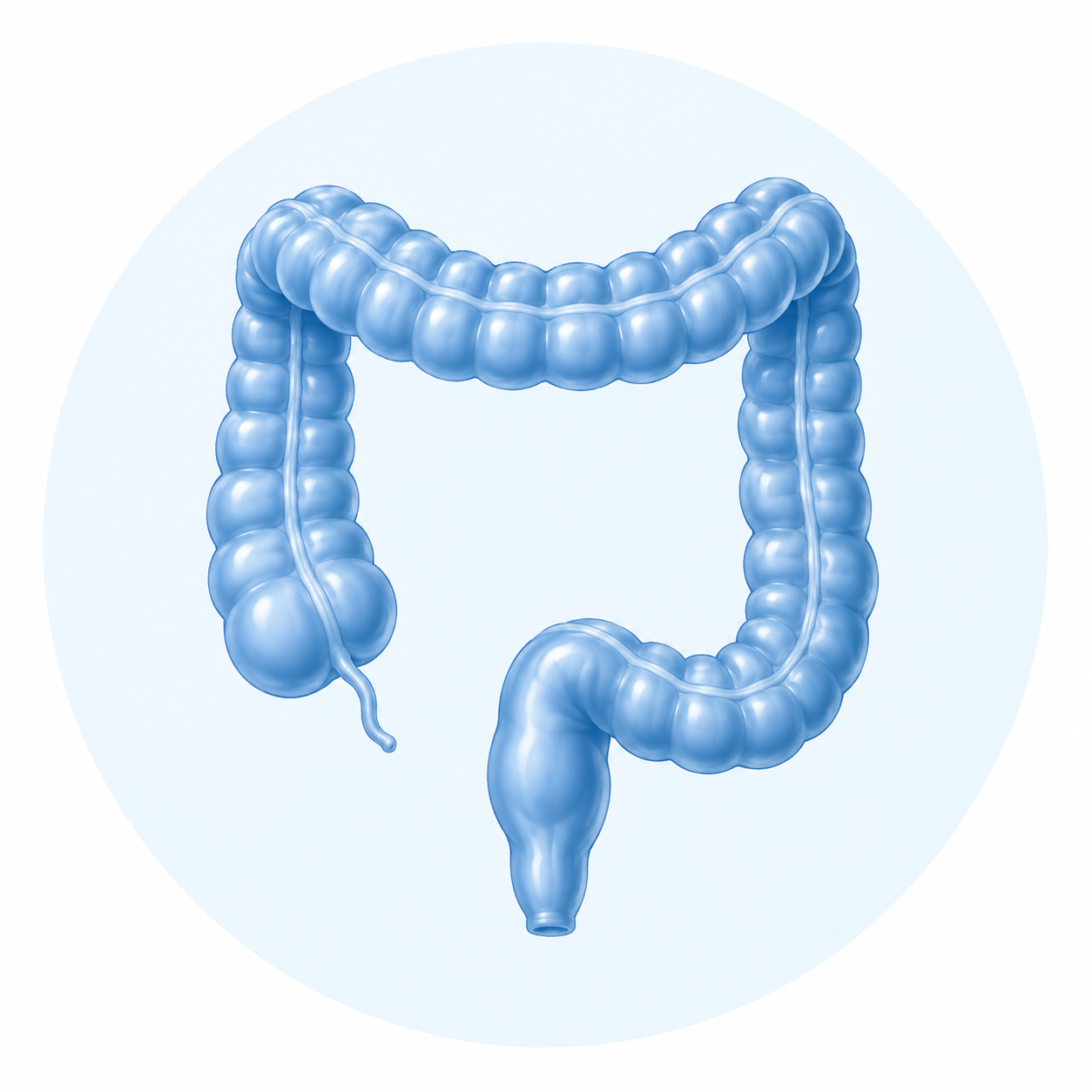
Cancers of the colon, rectum and anus can cause symptoms such as changes in bowel habit, bleeding, abdominal discomfort or unexplained weight loss, although symptoms vary considerably between people. Treatments have advanced greatly, and early diagnosis allows many patients to be treated very successfully with surgery, chemotherapy, radiotherapy or a combination tailored to the individual.
-
Diverticular disease occurs when small pouches, called diverticula, develop in the wall of the large bowel. Many people have no symptoms at all, while others experience abdominal discomfort or changes in bowel habit; if the pouches become inflamed, this is known as diverticulitis and can usually be treated effectively.
-
Bleeding is common and is often caused by benign conditions such as haemorrhoids or an anal fissure. Because there are several possible causes, new or persistent bleeding should be assessed so that the source can be identified and any necessary treatment arranged.
-
Unintentional weight loss can occur for many reasons and does not necessarily indicate a serious problem. When there is no obvious explanation, particularly if it occurs alongside changes in appetite, bowel habit or other symptoms, assessment can help identify the cause and provide appropriate reassurance or treatment.
-
Constipation may involve infrequent bowel movements, hard stools, straining or a feeling that the bowel has not emptied completely. It is extremely common and can often be improved with changes to diet, fluid intake and medication, although persistent symptoms may benefit from further investigation.
Pelvic floor
-
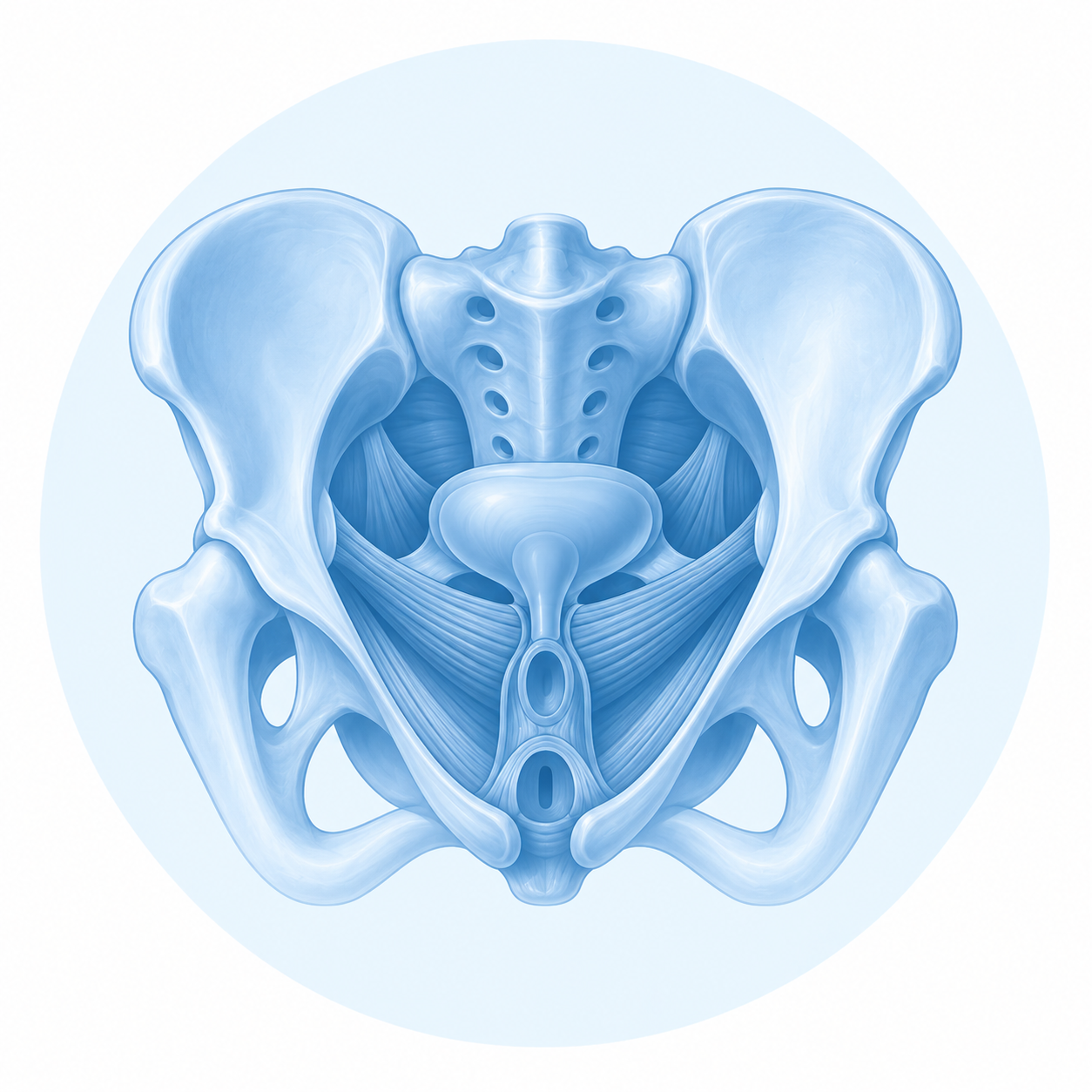
Rectal prolapse occurs when part of the rectum slips downwards and may protrude through the anus, particularly when opening the bowels. Although the symptoms can be distressing, the condition is well recognised and there are effective treatments available, including surgical repair where appropriate.
-
Faecal incontinence means difficulty controlling the passage of stool or wind and is much more common than many people realise. A number of treatments can significantly improve symptoms and quality of life, ranging from dietary changes and pelvic floor therapy to more specialist procedures.
-
An obstetric anal injury is damage to the muscles around the anus that can occur during childbirth. Many women recover well, but specialist assessment can be helpful if there are ongoing problems with bowel control, urgency, discomfort or concerns about future pregnancies.
-
Obstructive defecation describes difficulty emptying the bowel despite feeling the need to go, often with straining or a persistent sensation of incomplete emptying. It can have several causes involving the rectum or pelvic floor, and specialist assessment can help identify the underlying problem and guide effective treatment.
Benign proctology
-
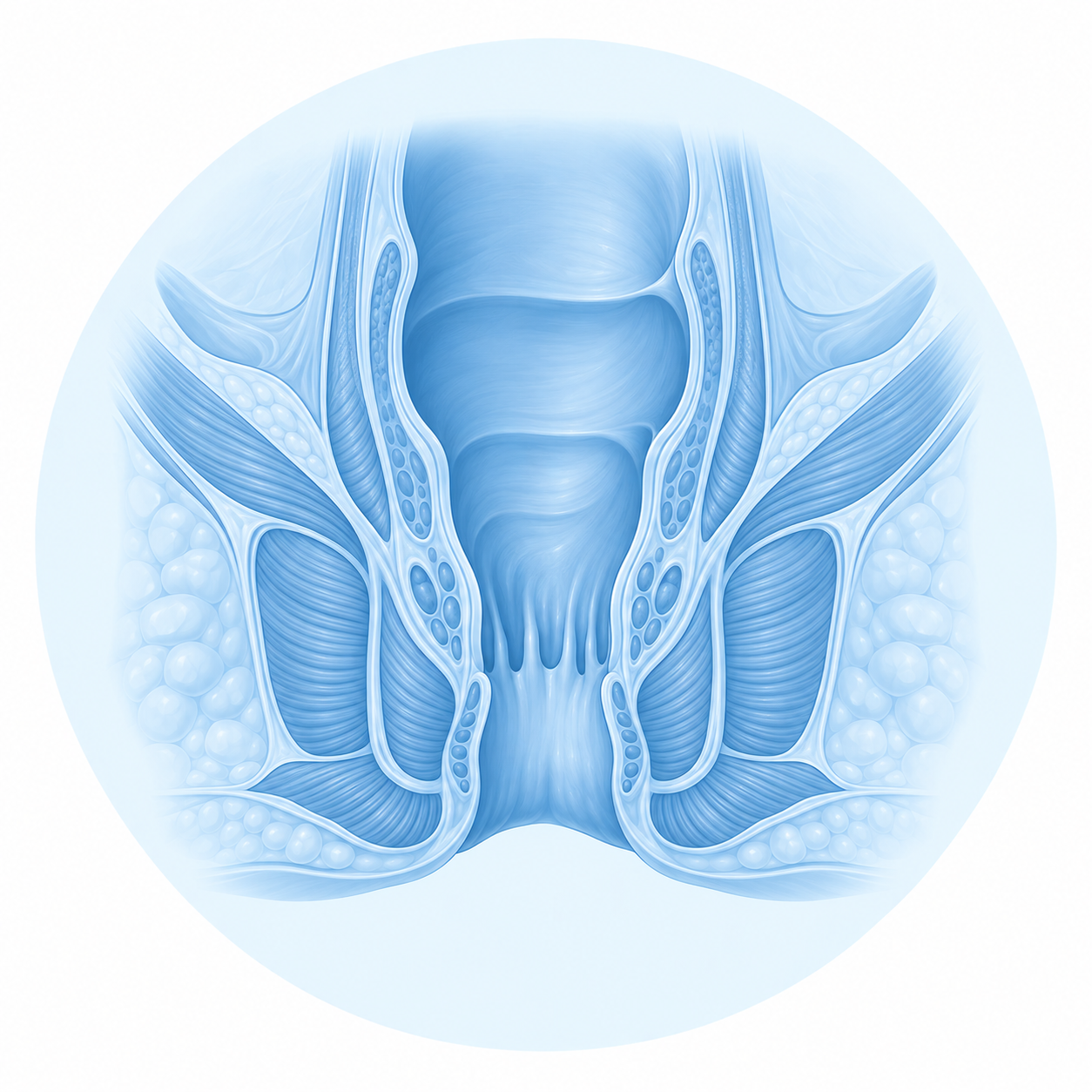
Haemorrhoids, commonly known as piles, are enlarged blood vessels around the anus that can cause bleeding, itching, swelling or discomfort. They are very common and often improve with simple measures, while persistent symptoms can be treated with a range of effective outpatient or surgical procedures. The surgical treatment offered will depend on the size and location of the haemorrhoids as well as the specific symptoms you are experiencing.
-
A perianal fistula is a small abnormal tunnel between the anal canal and the skin, usually developing after an infection or abscess. It may cause intermittent swelling or discharge, and several established surgical treatments are available with the aim of healing the fistula while protecting bowel control.
-
An anal fissure is a small tear in the lining of the perianal skin, which typically causes sharp pain during a bowel movement usually accompanied by fresh bleeding. Most fissures can be treated successfully with measures to keep the stools soft and ointments that help the anal muscle relax. If these measures fail then surgical approaches can be offered.
-
Pilonidal disease occurs in the cleft between the buttocks, where small pits or cysts in the skin can become inflamed or infected. It can range from a minor recurring irritation to an abscess, and effective treatments are available when symptoms become troublesome.
-
Lumps around the anus are common and may be caused by haemorrhoids, skin tags, cysts or other usually benign conditions. An examination can normally establish the cause and determine whether reassurance alone or treatment is appropriate.
General surgery
-
A hernia occurs when tissue pushes through a weakness in the abdominal wall, producing a lump that may become more noticeable when standing, coughing or straining. Inguinal and femoral hernias appear in the groin and are common. When repair is required they can usually be treated very effectively.
-
An umbilical hernia occurs when tissue pushes through a weakness in the abdominal wall next to the belly button, producing a lump. Umbilical hernias are common, and when repair is required they can usually be treated very effectively with either open or minimally invasive surgery.
-
An incisional hernia occurs when tissue pushes through a weakness in the abdominal wall created by previous surgery. Incisional hernias can usually be treated very effectively with either open or minimally invasive surgery, but require a very personalised approach.
-
A lipoma is a soft, fatty lump beneath the skin and is usually completely harmless. Most skin lumps are benign, but assessment can confirm the diagnosis and removal can be considered if a lump is uncomfortable, growing or causing concern.
Emergency surgery
-
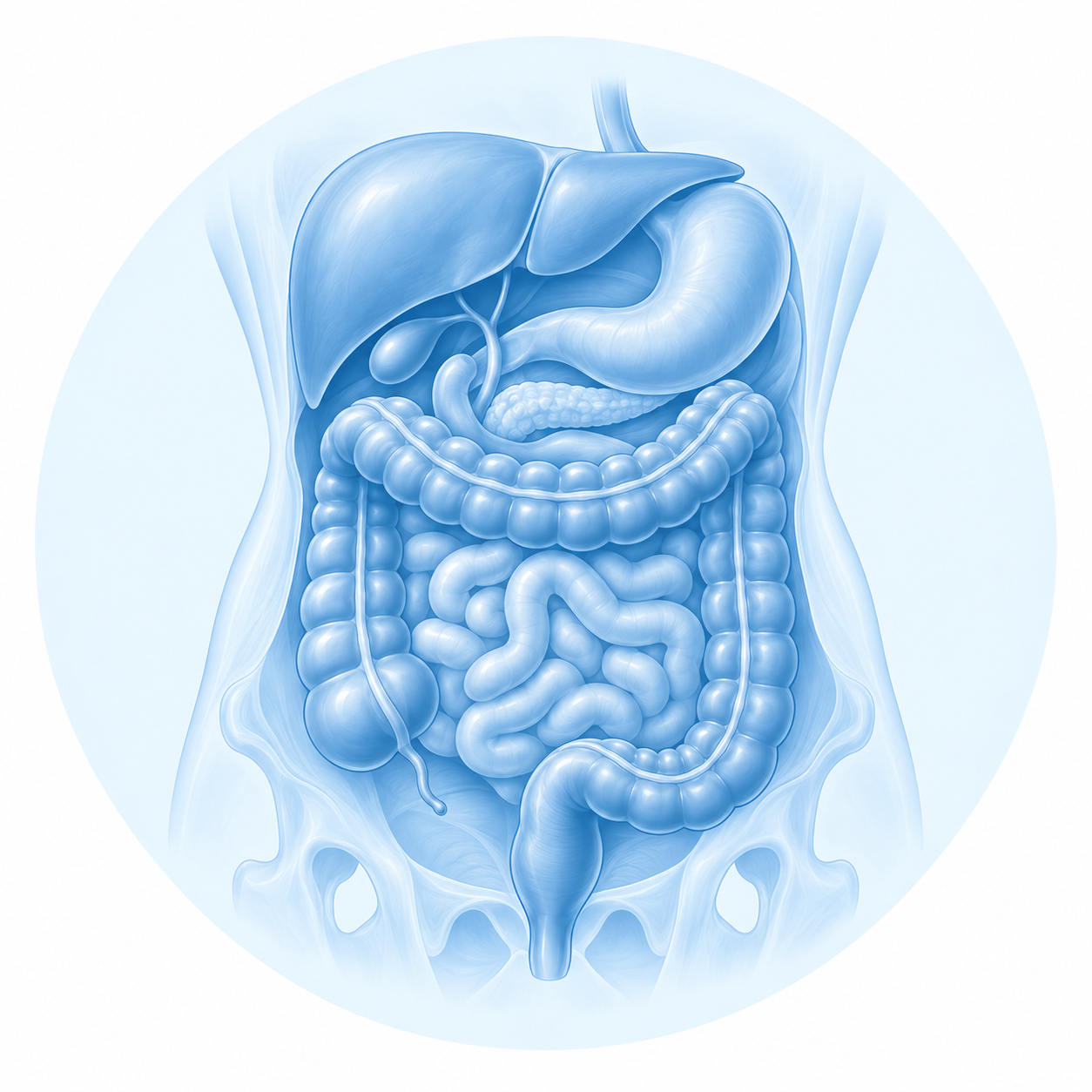
Sudden or severe abdominal pain has many possible causes, ranging from relatively minor conditions to problems requiring urgent treatment. Careful examination, blood tests and imaging can usually establish the cause quickly and allow the most appropriate treatment to begin.
-
Gastrointestinal bleeding can originate from anywhere within the digestive tract and may appear as vomiting blood, black stools or fresh blood from the rectum. There are many possible causes which require prompt diagnosis and treatment.
-
Appendicitis is inflammation of the appendix and typically causes pain that becomes increasingly more severe, often settling in the lower right side of the abdomen. It is a common surgical condition and is usually treated very successfully, most often with keyhole surgery to remove the appendix.
-
A bowel obstruction occurs when the passage through the intestine becomes blocked, while a perforation is a hole in the wall of bowel. Both require urgent assessment, but modern imaging, supportive care and surgery where necessary allow the underlying problem to be identified and treated.
-
Pancreatitis is inflammation of the pancreas and often causes significant upper abdominal pain, sometimes accompanied by nausea or vomiting and back pain. Most patients recover well with hospital treatment and supportive care, while identifying and treating the underlying cause can help reduce the risk of further episodes.
-
Inflammatory bowel disease includes conditions such as Crohn's disease and ulcerative colitis, which cause ongoing inflammation within the digestive tract. Most patients are managed successfully with specialist medical treatment, although surgery can play an important role if complications develop or symptoms cannot be adequately controlled with medication.
-
An incarcerated hernia occurs when tissue becomes trapped within a hernia and can no longer be pushed back into the abdomen. It requires urgent medical assessment and timely surgical treatment is very effective when an emergency repair is needed.
-
An abscess is a collection of pus caused by infection and can develop in the skin, abdomen or tissues around the anus. Treatment is usually straightforward and often involves draining the infection, sometimes together with antibiotics depending on its location and severity.
-
A perforated ulcer occurs when an ulcer in the stomach or first part of the small bowel creates a hole in the wall of the digestive tract. This is an emergency that requires prompt treatment, but with early recognition and modern surgical care it can be managed effectively.